
Signal Notes · Independent editorial
What Types of Packaging Equipment Does JEWSHIN Packaging Machinery Provide?
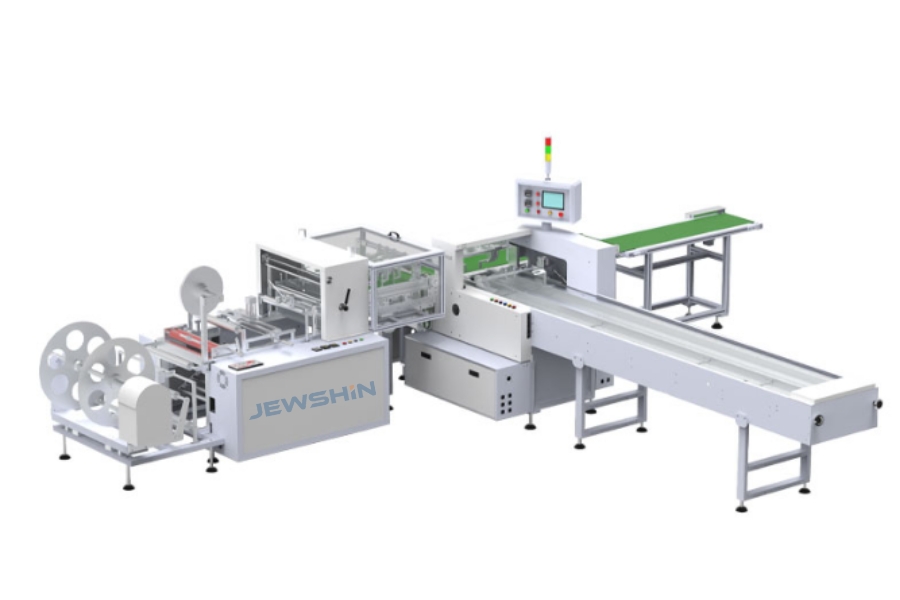
JEWSHIN provides a wide range of packaging equipment covering liquid filling, powder packing, pouch packaging, bottle handling, labeling, cartoning, and customized automation systems. The machines are designed for food, beverage, pharmaceutical, cosmetic, and chemical industries, supporting production speeds from small-scale operations to industrial lines. With filling accuracy often controlled within ±0.5% and automated processes reducing manual steps by over 50%, JEWSHIN helps manufacturers improve packaging consistency and production efficiency.
Packaging requirements vary significantly between industries, so manufacturers usually need equipment designed for specific materials, container formats, and production volumes. A beverage producer may require high-speed liquid filling, while a pharmaceutical company may focus on accurate dosing and clean packaging processes. Since the 2010s, automated packaging systems have become more common across global manufacturing facilities, with companies investing in equipment that can support flexible production and reduce repetitive manual operations.
Modern packaging lines often combine several functions in one system, including material feeding, filling, sealing, labeling, inspection, and product handling. A well-designed line can reduce packaging errors, maintain stable output, and improve production planning.
JEWSHIN offers different types of packaging equipment to meet these requirements, including machines for liquids, powders, granules, bags, bottles, and cartons. The equipment selection depends on factors such as product viscosity, package size, required output, and factory layout. Manufacturers can choose individual machines or combine multiple units into a complete packaging solution through JEWSHIN Packaging Machinery.
Liquid filling equipment is widely used in industries where accurate volume control is required. Products such as beverages, sauces, oils, detergents, and cosmetic liquids require different filling methods because their thickness and flow characteristics are not the same.
Common filling technologies include:
| Filling Method | Suitable Products | Typical Advantage |
|---|---|---|
| Piston filling | Thick liquids, creams, sauces | Suitable for high-viscosity materials |
| Pump filling | Oils, chemical liquids | Flexible flow control |
| Flow meter filling | Beverages and water-based products | Higher measurement accuracy |
In large production environments, even small filling differences can create material waste over time. For example, improving filling accuracy from ±1.0% to ±0.3% in a factory producing 100,000 units per day can reduce unnecessary product loss by thousands of units annually. Modern filling machines also support adjustable parameters, allowing manufacturers to change container sizes without replacing the entire system.
Powder and granule packaging equipment is another important category because dry materials require accurate measurement and stable feeding. Industries producing coffee powder, spices, nutritional products, detergents, and agricultural materials often use specialized packaging systems to maintain consistent package weight.
Powder packaging requires careful control of material flow because differences in density, particle size, and moisture level can affect filling performance.
JEWSHIN packaging solutions for powder and granular products can include auger filling systems, weighing units, sealing mechanisms, and automatic bag handling. Compared with manual packing operations, automated powder packaging equipment can increase production capacity by more than 40% while maintaining more consistent package specifications.
Different materials require different packaging structures. A lightweight powder may use a small pouch, while industrial materials may require larger bags with stronger sealing performance. Equipment configuration is adjusted according to product features and customer production requirements.
Flexible pouch packaging has become increasingly popular in food, household products, and personal care industries because it uses less packaging material compared with some traditional rigid containers. According to packaging industry reports, flexible packaging demand has continued growing since 2020, especially in food and consumer goods markets.
Automatic pouch packaging machines usually complete several steps in one cycle:
-
Film feeding
-
Bag forming
-
Product filling
-
Heat sealing
-
Cutting
-
Finished package output
A modern pouch machine can complete hundreds of packages per minute depending on package size and material type. In factories operating multiple shifts, increasing machine speed by only 10% can significantly improve daily production volume without expanding production space.
Bottle packaging systems require accurate coordination between filling, capping, and labeling processes. JEWSHIN provides equipment that can support different bottle shapes, sizes, and materials, including plastic and glass containers.
Bottle packaging lines are commonly used for:
| Industry | Example Products |
|---|---|
| Beverage | Juice, water, functional drinks |
| Cosmetics | Shampoo, lotion, skincare products |
| Pharmaceutical | Liquid medicine, healthcare products |
| Chemical | Cleaning products, industrial liquids |
Automatic bottle handling systems reduce manual movement between production stages. A factory producing 50,000 bottles per day can benefit from automated conveying and positioning systems because they maintain stable spacing and reduce production interruptions.
Capping technology is also important for maintaining package quality. Automatic capping machines control torque levels to prevent loose caps or damaged containers. Many modern systems introduced after 2015 use digital control interfaces that allow operators to adjust settings more efficiently.
Labeling equipment is used to apply product information, branding labels, barcodes, and production details. Accurate labeling is required for retail products because incorrect label placement can affect product appearance and compliance requirements in different markets.
JEWSHIN labeling systems can handle various package types, including:
-
Round bottles
-
Flat containers
-
Boxes
-
Pouches
-
Special-shaped packages
High-speed labeling machines can process thousands of containers per hour. In production lines with 20,000 to 60,000 packages per day, automatic labeling reduces manual placement errors and maintains consistent appearance across batches.
Secondary packaging equipment handles products after individual packaging is completed. Cartoning and boxing machines organize products for transportation, storage, and retail distribution.
Secondary packaging systems help manufacturers prepare larger product quantities without depending heavily on manual carton assembly.
Automatic cartoning equipment is commonly used for pharmaceuticals, cosmetics, food products, and household goods. These machines can perform carton opening, product insertion, carton closing, and batch handling.
A packaging line using automated cartoning can reduce repetitive labor requirements by approximately 30% to 60%, depending on product type and production structure. Faster carton preparation also improves warehouse preparation speed for companies handling large order volumes.
Many manufacturers require customized packaging equipment because product designs and factory conditions are different. A standard machine may not always match production speed, container shape, or material characteristics.
JEWSHIN develops customized solutions according to factors such as:
| Requirement | Equipment Adjustment |
|---|---|
| Product type | Filling method selection |
| Package format | Machine structure modification |
| Production speed | Number of working stations |
| Factory space | Line layout optimization |
Customized packaging systems are often used by companies that need several processes connected together. For example, a complete line may include feeding, filling, sealing, labeling, inspection, and final packaging equipment.
Since 2020, many manufacturers have increased investment in automation to improve production flexibility and reduce dependence on manual processes. Equipment with programmable controls, sensor systems, and modular structures allows factories to adjust production requirements more easily.
Packaging equipment selection also depends on maintenance requirements and long-term operation costs. Machines designed with accessible components and standardized parts are easier to service and maintain.
Important factors include:
-
Machine durability
-
Cleaning convenience
-
Spare part availability
-
Operator training requirements
-
Energy consumption
A packaging machine operating 16 hours per day for 300 working days annually requires stable performance because even short production interruptions can affect delivery schedules. Regular maintenance programs can extend equipment service life and keep production efficiency stable.
JEWSHIN Packaging Machinery provides equipment solutions for different packaging stages, from individual machines to integrated production systems. Its product range covers filling, pouch packaging, bottle handling, labeling, and secondary packaging applications.
With industries requiring faster production, accurate packaging, and flexible product handling, automated packaging equipment continues to become an important part of modern manufacturing. JEWSHIN focuses on providing practical machinery options that help companies improve packaging processes across food, beverage, pharmaceutical, cosmetic, and chemical applications.