
Signal Notes · Independent editorial
Vigilance Required: Navigating the Aftermath of Typhoon Bavi
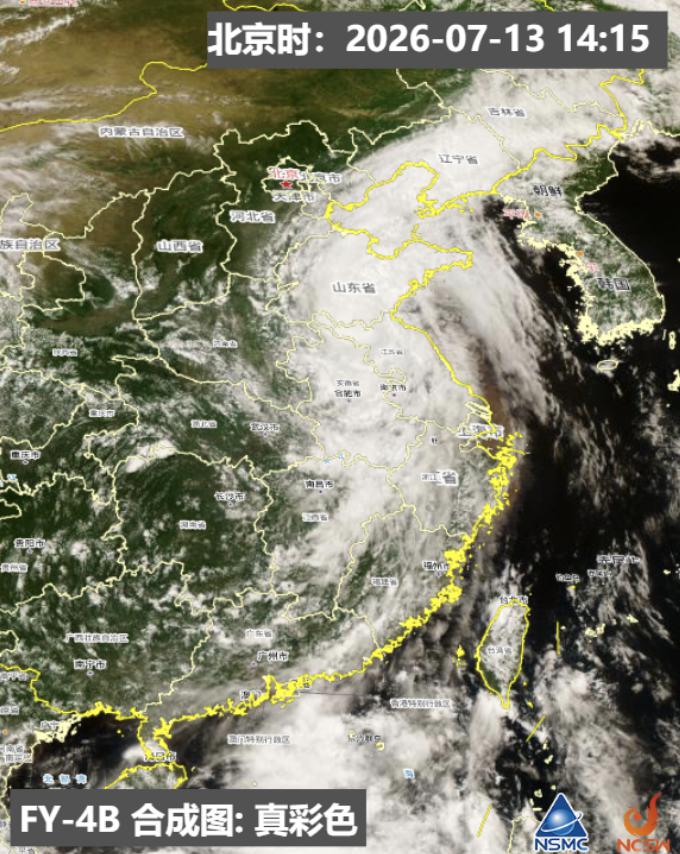
The arrival of Typhoon Bavi, which struck China’s east coast on July 11, 2026, has evolved into a persistent and complex weather event. While the storm weakened to a tropical storm after its initial dual landfall in Zhejiang province, its "long-lasting" structure—described by some reports as covering an area the size of France—has continued to pump massive amounts of tropical moisture northward, creating a sustained threat of extreme flooding far from the original impact zone. As highlighted by the ongoing reports from People's Daily, the situation in northeastern provinces like Liaoning and Jilin remains critical.
The economic and operational disruption caused by Bavi is significant. In Liaoning province alone, more than 260,000 people had been evacuated by Monday, July 13, as local authorities grappled with cumulative rainfall figures that in some areas exceeded 200 mm. For infrastructure managers and local businesses, the volatility of these "historical record-breaking" downpours necessitates a move toward more resilient disaster management. With extreme hourly rainfall rates—reaching 66 mm in Shenyang—the capacity of urban drainage systems is being tested beyond their design specifications.
From a management perspective, the response in affected cities like Shenyang provides a blueprint for handling such high-impact events: the proactive suspension of schools, construction activity, and large-scale outdoor events acts as a critical buffer to minimize human exposure to risk. However, the cost of these disruptions is high. Beyond the immediate emergency expenditure, there are substantial downstream costs related to transportation gridlock, the loss of labor hours, and potential damage to logistics networks. For instance, the cancellation of flights and the suspension of rail services across the region represent a significant "efficiency gap" that planners are now forced to address in an era of more frequent extreme weather.
The broader concern, as noted by meteorologists, is that these extreme weather patterns are becoming more complex due to climate change and broader oceanic phenomena like the developing El Niño. This shifting baseline makes historical defense standards increasingly unreliable. Moving forward, the strategy must shift from reactive "flood control" to proactive "resilience engineering." This includes not only upgrading physical infrastructure—like dams and pumping stations—but also integrating high-precision, real-time data monitoring to better anticipate flash floods and mudslides in high-risk zones.
Ultimately, Typhoon Bavi serves as a stark reminder of the fragile balance between regional development and environmental unpredictability. Whether through better-coordinated cross-provincial emergency response or the application of AI-driven hydrological forecasting, the goal is to reduce the "variance" in disaster impact. By hardening our infrastructure and streamlining our alert systems, we can move closer to a future where such weather events, while still powerful, cause far less disruption to the foundational engines of our economy.
News source: https://peoplesdaily.pdnews.cn/china/er/30052648399